Case Rounds: Looking Beyond the Obvious
By Vetco Total Care in West Des Moines, Iowa
A 3-year-old, male Shih Tzu weighing 12.5 pounds presented to Vetco Total Care in West Des Moines, Iowa, as a walk-in referral from a local emergency hospital. The owner was seeking a more affordable option for diagnostic testing and treatment, and Vetco Total Care was able to see the patient the same day and provide the necessary care and hospitalization to support the pet's recovery. Upon arrival, the patient was lethargic, dehydrated, jaundiced, and spent much of the examination in lateral recumbency.
The pet parent reported that he had not eaten or kept food down for two days. Four days earlier, he had gotten into the garbage and may have ingested a clove of garlic, initially raising concerns about possible toxin exposure.
Diagnostic Findings
The team performed a CBC, chemistry panel, electrolytes, and a leptospirosis SNAP test.
Results revealed significant abnormalities, including:
-
- White blood cell count: 37,000
- ALT: Too high to read
- ALP: 306
- GGT: 56
- Total bilirubin: 6.9
- Amylase: >2,500
- Lipase: 5,768
- Strong positive leptospirosis test
While the history suggested one possible cause, diagnostics uncovered a different and more urgent diagnosis.

With a positive leptospirosis result, the team quickly implemented isolation protocols. Their laundry and back kennel area were converted into a dedicated isolation space, and Specific team members were assigned to the patient's care and to prevent potential exposure contamination, both the doctor and dedicated veterinary assistant wore protective equipment. gowns and gloves when entering the isolation area and used a bleach boot bath when exiting. A dedicated stethoscope and thermometer remained inside the isolation space and were not used elsewhere in the hospital.
The patient was started on IV fluids, Cerenia®, Entyce®, and doxycycline. The nursing staff focused heavily on patient comfort, providing extra padded bedding and gentle, attentive monitoring throughout his stay. Although he remained depressed and unwilling to eat through the first day of hospitalization, the team continued supportive care. They carefully evaluated his response to therapy and proactively adjusted the treatment plan the following day by adding ondansetron, mirtazapine, and gabapentin to ensure optimal nausea control and comfort.
To help monitor the patient while minimizing unnecessary traffic in the isolation area, the team also utilized a baby monitor camera.
As the second day progressed, this tailored pharmacological approach paid off. The patient became increasingly interactive, his bright demeanor returning, and he began eating again, happily consuming approximately half a can of Royal Canin® GI Low Fat diet.
After a day and a half of hospitalization, the patient was discharged. Over the following week, the patient continued to improve clinically. Follow-up with the pet parent revealed steady improvement, with the patient returning to normal eating habits, regaining energy, and resuming play activities.
Following discharge, the team completed a thorough sanitation process. The isolation area, kennel, and exam room were disinfected with a bleach solution and allowed to air-dry in accordance with isolation cleaning protocols.
This case serves as a reminder that leptospirosis can present with nonspecific clinical signs and that a thorough diagnostic workup is essential for identifying the underlying cause. It also highlights the importance of adaptability, infection control, and teamwork when managing infectious disease cases, particularly in hospitals without dedicated isolation facilities.
Special thanks to Dr. Laura Stoeker, Ashley K. (Veterinary Assistant), and Bobbie J. (Front Desk) at Vetco Total Care in West Des Moines, Iowa, for sharing this case and demonstrating exceptional collaboration in patient care.
Join Vetco Total Care and be part of a team that embraces clinical curiosity, collaboration, and a commitment to helping pets live healthier lives. Explore today.
Discover More
-
Autonomous Medicine Empowers Veterinarians
Hear how Vetco Total Care empowers veterinarians to deliver personalized, compassionate care for pets by practicing autonomous medicine.
-
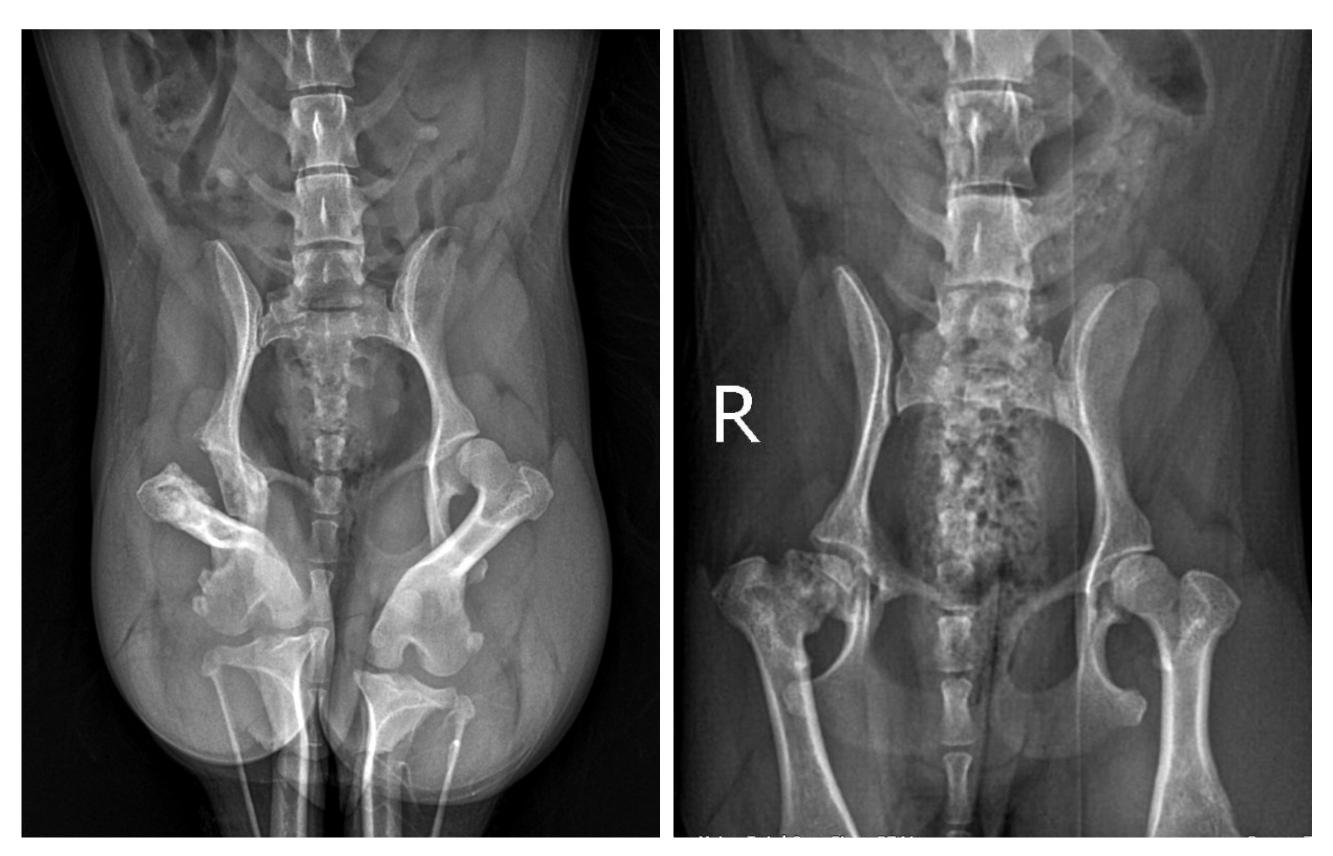
Case Rounds: From Lameness to Recovery
What began as a case of hind limb lameness led to the diagnosis of Legg-Calvé-Perthes disease in a young Yorkshire Terrier. Discover how advanced diagnostics, surgical expertise, and a personalized recovery plan helped restore mobility and improve quality of life.
-

Meet Award-Winning Leader, Paul
If you mixed a steadfast commitment to leadership with a dash of soul music and the humor of old comedy movies like Airplane!, you would get Paul.
Join our Talent Community
Get the latest on career news, opportunities, and events that match your background.


Returning Applicants
If you are a returning candidate with an existing account, please click below.

Current Petco Partners
Current Partners can explore internal opportunities by logging into Workday.